
Crime statistics and unpredictable incidents make security a practical priority, not a luxury. Choosing the wrong provider can leave a property exposed and create costly disruptions. Choosing the right one prevents theft, improves employee and resident confidence, and turns security from a recurring headache into a managed service.
Introduction
If you are evaluating a security company Philippines offers, you need more than glossy brochures and polished uniforms. The market contains a wide range of firms, from small local agencies that supply basic guard services to national firms that combine manpower, technology, and integrated response. Your challenge is to identify the provider whose capabilities, systems, and culture match the real risks you face, your budget, and the level of oversight you want. This article explains what matters when selecting a security company in the Philippines, with practical checks, questions to ask, and scenarios that show how the choice changes by site type.
Security company Philippines, what to look for
Start with three fundamentals: legal compliance, evidence of training and vetting, and operational systems. A company that meets these standards will still vary in quality, but failure on any one of them is a major red flag.
Legal compliance and permits
Ask for copies of the company’s business registration, mayor’s permit, and the license that authorizes private security operations. In the Philippines, oversight of private security firms is handled by national and local authorities, so confirm the provider maintains active approvals from the appropriate licensing office and keeps these documents current. Also verify that the company carries public liability insurance and bonds that protect you against loss caused by guard negligence or criminal collusion. Insurance limits vary, so request details of coverage, and confirm the policy is active.
Training, vetting, and human resources practices
A uniform alone does not create security. Effective guarding relies on selection, background checks, drug testing, and ongoing training. Look for companies that use formal training programs recognized by local training authorities, and ask for a sample training schedule. Confirm the company performs pre-employment background checks and documents them. Find out how long guards are employed on average; very high turnover suggests poor supervision, low morale, or inadequate pay, which correlates with lapses in performance.
Technology and operational systems
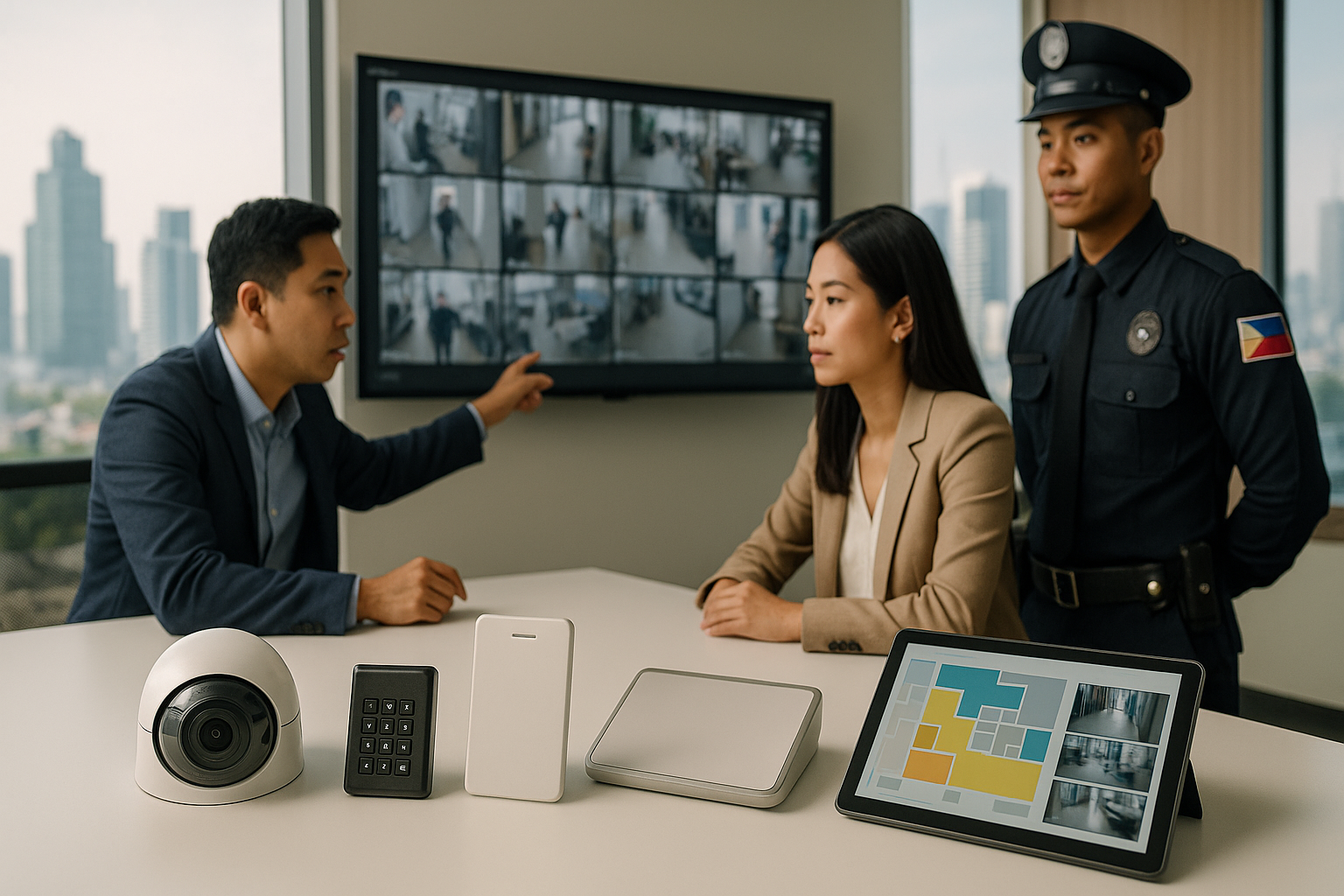
Many incidents are prevented or resolved faster when manpower is supported by systems. Determine whether the company offers a control center, real-time reporting, electronic patrol tracking, CCTV monitoring, and alarm response services. Ask how incident reports are generated and delivered. Do they provide digital logs that you can review, or are reports paper-based and ad hoc? If the provider uses body cameras or GPS-enabled patrol devices, ask how those records are stored, who can access them, and how long they are retained.
Match the service model to your site
Different properties require different mixes of people, processes, and technology. A mismatch creates gaps that can be exploited.
Residential and condominium security
Residents require a balance of access control, visitor management, and customer service. For condominiums, the guard is also the front-line resident-facing representative. Prioritize firms that have experience with access control systems, visitor screening procedures, and community relations. Confirm the company can coordinate with building management on issues like parking enforcement, noise complaints, and emergency evacuations.
Commercial properties and retail malls
Retail environments emphasize loss prevention, quick incident response, and crowd management. A suitable provider will have experience with coordination between security and store management, loss prevention techniques, and crowd control for promotions and peak periods. Check that guards receive specific training for shoplifting deterrence, de-escalation, and emergency evacuation.
Construction sites and industrial areas
These sites face theft of materials, worker safety incidents, and hazardous conditions. Providers should be able to secure perimeters, control vehicle access, and conduct regular patrols of large lots. Look for firms that understand site-specific risks, such as night-time material theft, and that can integrate with CCTV and alarm systems to provide rapid response or escalation to law enforcement when needed.
Contracts, service levels, and accountability
The written agreement defines expectations. A fair contract balances clarity, flexibility, and enforceable performance standards.
Key contract elements
The contract should specify scope of work, number and placement of guards, shift schedules, uniform and equipment standards, and reporting requirements. It should also include an escalation matrix, a replacement policy for guards who are absent, and a defined notice period for termination. Service-level agreements must list measurable KPIs such as response times to alarms, percentage of scheduled patrols completed, and timelines for incident report delivery.
Performance monitoring and penalties
Insist on monthly performance reviews and a transparent penalty or remedy structure for missed SLAs. Remedies could be fee credits, replacement personnel, or additional training sessions at the firm’s expense. Without a mechanism to address recurring failures, poor performance becomes the norm.
How to evaluate and compare providers
A structured evaluation reduces emotion and bias in the selection process.
Request for proposal and site visit
Start with a clear specification of your needs and ask three to five vendors for proposals. Include a mandatory site visit, because a vendor that sends a generic quote without walking the site either lacks professionalism or is not thorough. During the site visit observe whether their supervisor asks practical questions about access points, lighting, and property vulnerabilities, and whether they suggest specific solutions.
References and sample reports
Request recent client references with similar sites and ask for sample incident reports and patrol logs. Contact the references and ask pointed questions: have they experienced guard absenteeism, how quickly did the company respond to escalations, and were incident reports timely and useful? Review sample reports for clarity, completeness, and whether they include photos, timestamps, and follow-up actions.
Trial or pilot period
A short pilot period can reveal operational realities. Negotiate a one to three month trial with performance metrics and a break clause if standards are not met. Use the pilot to test response times, report quality, and the guards’ understanding of site-specific procedures.
Pricing, cost drivers, and value
Price differences are common, but the cheapest option is not usually the most economical over time.
What drives cost
Wages and statutory contributions are the largest cost component, followed by supervision, training, equipment, and technology. If a proposal looks exceptionally low, ask how they can offer the price. Low quotes often mean the company is cutting corners on wages, hiring inexperienced guards, or skipping critical overhead such as supervisory visits or insurance.
Comparing apples to apples
When you compare proposals, ensure you compare equivalent services. Does the quote include supervisory visits, replacement costs for sick guards, uniform maintenance, and technology fees? Ask for a breakdown of costs by category and for any pass-through charges that might appear later.
Red flags to watch for
Certain warning signs predict future problems and should eliminate a vendor from consideration.
Common warning signs
If a company cannot provide current licenses, hesitates on showing insurance certificates, or refuses a site inspection, treat that as a deal breaker. High turnover, visible disorganization during the site visit, and vague answers about training or incident handling are also serious concerns. Be wary of firms that emphasize hardware sales over proven operational procedures, unless your primary need is system installation and that comes with a strong operations plan.
Practical checklist to use during vendor interviews
When you meet vendors, focus questions on evidence and processes rather than marketing claims. Ask how they handle background checks, what training curriculum they use, how supervisors are scheduled, how they coordinate with police and emergency services, and how they secure sensitive records. Request details of any technology the firm uses for patrol verification and incident reporting, and ask to see a recent incident log with redacted personal data. Confirm the company’s escalation protocol, and get a clear explanation of how rate increases are handled.
Two short scenarios that illustrate the difference
Scenario one: A condominium chooses the cheapest local firm that provides guards and basic access control. Over time, residents complain about inconsistent gatehouse logs, delayed responses to medical calls, and a high rate of guard turnover. Management then switches to a provider that offers a 24/7 control center, enhanced training in customer interaction, and electronic visitor logs. The result: fewer complaints, tighter visitor screening, and a clearer record trail for incidents.
Scenario two: A contractor hires a security company that promises nightly patrols for a construction site. Without electronic patrol verification, one guard claimed to have completed rounds while a theft occurred. After installing GPS-enabled patrol devices and linking patrol data to the contractor’s control dashboard, the company could verify patrol adherence, catch gaps, and reduce material losses. Small investment in patrol verification technology paid for itself in reduced theft claims.
Final selection and onboarding tips
Once you select a provider, invest time in onboarding. A poor handover undermines even the best company.
Onboarding checklist
Conduct a joint risk assessment with the provider, define site-specific procedures, and build a simple operations manual that includes contact lists, emergency plans, and site maps. Assign a single point of contact on your side and ensure the vendor assigns a dedicated supervisor. Schedule weekly check-ins for the first month, then monthly reviews. Require digital reporting during the first three months so you can audit patrols and incident timelines. Finally, communicate the change to staff, residents, or tenants so the guard teams are treated as authorized personnel and not adversaries.
Conclusion
Choosing a security company Philippines organizations can trust requires more than cost shopping. Look for proper licensing, documented training and vetting, compatible operational systems, and clear contractual protections. Use site visits, references, and a pilot period to validate claims. With the right approach you will hire a partner that reduces risk, provides predictable service, and protects people and assets in a measurable way.