
Hook
Most security systems feel like a patchwork of cameras, keycards, and alarms that do not talk to each other. That mismatch is expensive, frustrating, and leaves gaps attackers can exploit. Integrated security Philippines offers a different promise: a single, coordinated platform that connects sensors, video, access control, alarms, and monitoring so incidents are detected faster and responses are consistent.
Introduction
This article explains what integrated security means in the Philippine context, which systems matter most, how integration is typically implemented, who provides these solutions, and what budgets you should expect. Whether you manage a condominium, a retail chain, a factory, or a small office, you will find practical guidance to compare options, estimate costs, and plan an implementation that balances coverage, convenience, and compliance with the Data Privacy Act.
What integrated security covers
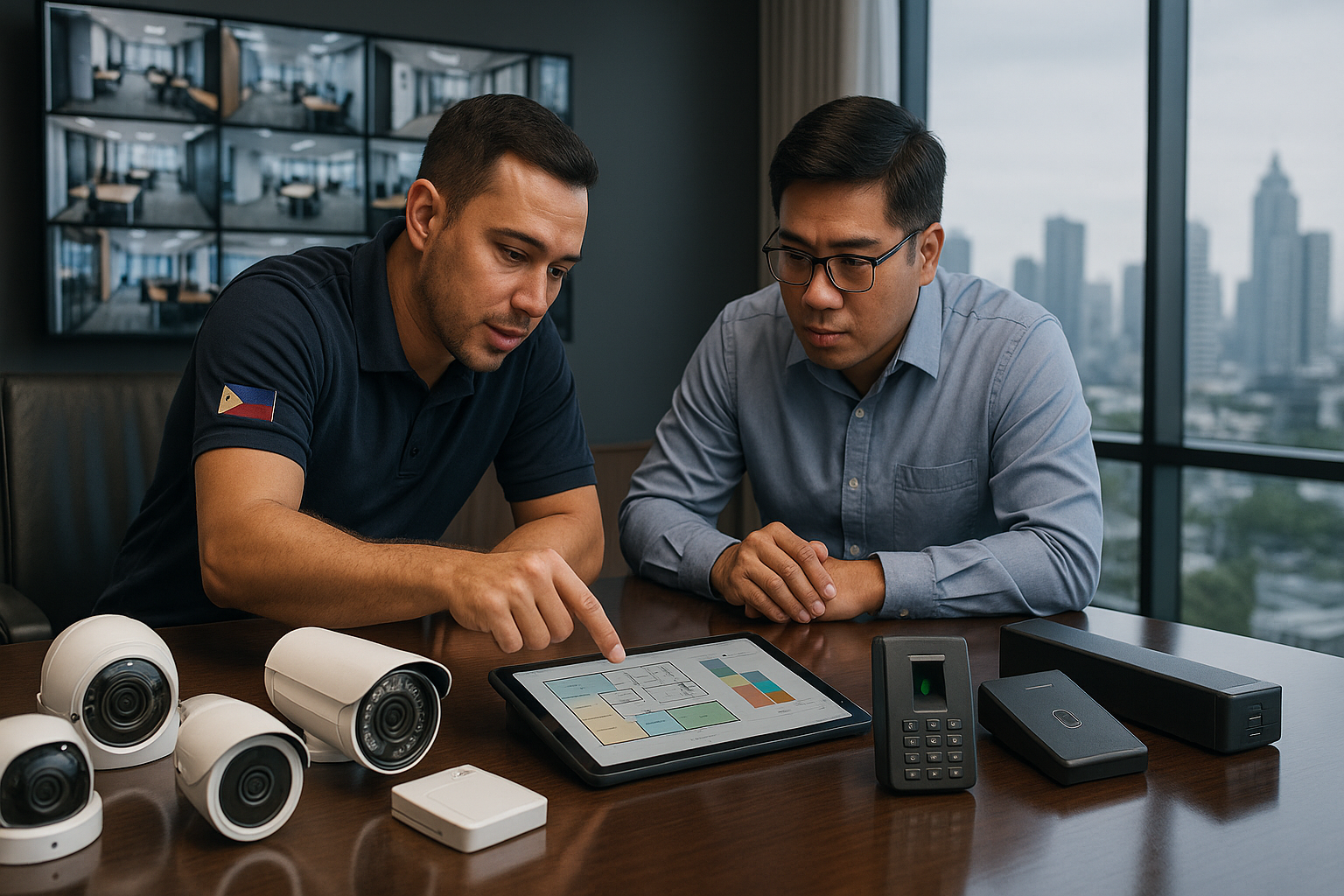
At its core, integrated security combines multiple physical security technologies into a single, manageable system. Instead of treating CCTV, access control, alarms, and perimeter detection as separate silos, integration links them through software and networking. That lets a single alarm trigger video recording and display the relevant camera feed on a guard’s console, or it allows a door access event to automatically log user identity and trigger analytics when suspicious behavior appears.
In the Philippines an integrated approach typically addresses four common goals: reducing false alarms, speeding incident response, consolidating evidence for investigations, and centralizing management to reduce operating costs.
Top systems to include in an integrated solution
Video surveillance Cameras remain the backbone of most integrated installations. Choose hardware that fits the environment: vandal-resistant domes for street-level areas, thermal or long-range PTZ cameras for large perimeters, and high-resolution fixed cameras for retail aisles or cash-handling areas. Key integration features are ONVIF compliance (for interoperability), edge analytics for behavior detection, and a scalable video management system that can handle retention and export requirements.
Access control Modern access control includes credential readers, electric locks, door controllers, and software that manages user permissions. For integration you want controllers and software that expose events in real time, support time-based policies, and can sync with HR directories or visitor management systems. Biometric readers or mobile credentialing can add security, but they require clear privacy handling.
Intrusion and alarm systems Perimeter and interior sensors, glass-break detectors, and sirens are still necessary. When these systems are integrated, an alarm event can pull up camera feeds, lock or unlock doors, and notify the correct individuals or monitoring center immediately. Choose alarm platforms that support remote management and health checks so you know sensors remain operational.
Perimeter detection and physical barriers For larger properties, combine cameras with microwave or fence-mounted sensors to detect breaches before intruders reach the building. Lighting, controlled gates, bollards, and barrier systems can be tied into automation rules that direct first responders and gatehouse staff.
Intercom and visitor management Audio and video intercom systems that integrate with access control simplify visitor verification. When a visitor is approved, the system can issue a temporary pass, open a specific door, and log entry time. Integration with parking systems and elevators improves convenience and reduces tailgating risks.
Video analytics and VMS A modern video management system provides centralized recording, search, and event management. Analytics such as people counting, license plate recognition, loitering detection, and object left-behind detection turn raw footage into actionable alerts. Cloud or hybrid VMS deployments can reduce on-site storage needs and simplify multi-site management.
How integrated security typically works in the Philippines
Most implementations in the Philippines rely on IP-based networks. Cameras and sensors connect to local switches, which feed a central server or network video recorder. That server runs VMS and interfaces with access control and alarm controllers through APIs or middleware. For multi-site organizations, cloud-hosted management consoles let security teams monitor locations from a central command center, and managed service providers can supply 24/7 monitoring as a subscription.
Integration approaches vary. Some customers prefer a single vendor suite that bundles hardware and software for easier warranty and support. Others prefer best-of-breed systems that are stitched together by an integrator using industry standards like ONVIF and open APIs. The best choice depends on scale, need for customization, and long-term support expectations.
Providers and vendor types
Understanding who does what helps you choose the right partner.
Manufacturers and brands Major global manufacturers supply cameras, recorders, access controllers, and analytics engines. International brands commonly available in the market include manufacturers known for durable hardware and ongoing firmware support. These vendors often work through authorized distributors and local partners.
Local distributors and resellers Distributors import equipment and provide regional support, spare parts, and warranties. They sit between manufacturers and system integrators. Choosing an authorized distributor ensures firmware updates and genuine parts.
System integrators Integrators design and deploy the full solution. Good integrators handle site surveys, network design, device configuration, VMS setup, and staff training. They are also responsible for commissioning and post-installation support. For integrated security Philippines projects, prioritize integrators with experience in similar property types within the country, because they know local constraints, power stability issues, and practical deployment tactics for tropical climates.
Monitoring centers and managed security service providers Many organizations opt for continuous monitoring through an external monitoring center. Monitored services range from alarm and video verification to incident dispatching. Managed services can also include remote health checks, software updates, and cloud storage.
How to choose a provider
Start with references and site visits. Ask for examples of projects similar in scale and use. Request a written scope that separates hardware, software, labor, and recurring services. Verify response times for support and spare parts availability, and confirm whether maintenance or upgrades will require additional purchase orders.
Also evaluate cybersecurity posture. Integrated systems are networked, so network segmentation, firmware management, strong passwords, and encrypted remote access are essential. Ask integrators how they handle vulnerabilities and whether they provide hardened network designs.
Costs and budgeting for integrated security Philippines
Costs vary widely depending on the level of coverage, hardware quality, and whether you use cloud services or local recording. Below are typical budget ranges to use as a planning guide. Treat them as ballpark estimates; get multiple quotes for specific sites.
Small condominium unit or townhouse A basic integrated package for a single-unit owner that includes a few cameras, a smart lock, an intercom, and a simple alarm panel typically costs between PHP 30,000 and PHP 120,000 for equipment and installation. Monthly cloud storage or monitoring, if chosen, can add PHP 500 to PHP 2,000.
Small office or retail store For a small business requiring 4 to 8 cameras, access control for one or two doors, and an alarm system, expect capital costs from PHP 80,000 to PHP 350,000. Cloud VMS subscriptions or a monitored alarm service add PHP 1,000 to PHP 5,000 per month.
Medium enterprise site or branch office A more robust installation with 16 to 32 cameras, professional VMS, multiple access points, perimeter sensors, and visitor management can run from PHP 400,000 to PHP 1,500,000. Managed services, centralized monitoring, and analytics subscriptions could be PHP 5,000 to PHP 25,000 monthly.
Large campus, mall, or industrial plant Large integrated projects scale into millions of pesos. A full security suite that includes hundreds of cameras, access control across many doors, perimeter detection, and a purpose-built command center typically demands a multi-million peso budget, with significant recurring costs for monitoring, analytics licenses, and maintenance contracts.
Cost breakdown and other considerations Hardware will usually account for 40 to 60 percent of total project cost, software licenses between 10 and 25 percent, and labor and integration 15 to 30 percent. Ongoing costs include software maintenance, cloud storage, monitoring subscriptions, and spare parts. Remember to factor in network upgrades, UPS systems, and environmental protections such as enclosures and cooling for equipment rooms.
Implementation steps and timeline
A typical implementation follows a predictable path. First, perform a site survey and risk assessment. This step identifies blind spots and clarifies performance goals. Next, draft a technical design that specifies camera types, cable routes, network requirements, and integration points. Procurement and staging usually follow, with equipment tested before arrival onsite. Installation and commissioning typically take one to six weeks depending on scale, and follow-up training and a warranty period close the loop.
Large projects add design validation, proof of concept, and staged rollouts to reduce disruption. Expect regulatory or building permit processes to extend timelines in some municipalities.
Regulatory and privacy considerations in the Philippines
CCTV and other surveillance capture personal data. The Philippine Data Privacy Act requires data controllers to implement reasonable security measures and to inform subjects when their data is being collected, for example through visible signage. If you store footage off-site or use cloud analytics, document processing records and ensure data residency and access controls meet legal obligations. For employee biometrics or detailed access logs, include consent and retention policies in employee handbooks.
Common pitfalls and how to avoid them
Choosing cheap cameras and expecting enterprise performance leads to disappointment. Opting for mismatched systems creates future integration headaches. Poor network planning causes dropped frames and missed events. To avoid these problems, insist on a network design that supports expected bitrates, verify interoperability through testing, include cybersecurity measures in the scope, and require acceptance testing tied to contractual penalties for poor performance.
Another frequent error is overlooking operational costs. Budget for storage, license renewals, maintenance, and a lifecycle upgrade plan. Equipment depreciates; plan for refresh cycles every five to eight years for cameras and networking gear.
Realistic use cases
A condo association might integrate visitor management, perimeter cameras, and a guard dispatch console so that, when a tenant approves a visitor remotely, the gate opens only after a security check. For a retail chain, integrated systems can combine point-of-sale triggers with video forensic search to speed theft investigations and reduce shrinkage. In manufacturing, combining access control with safety interlocks and CCTV helps enforce both security and safety compliance.
Final decision checklist
Before signing a contract, confirm these items: a complete bill of materials, clear responsibilities for warranties and maintenance, documented performance metrics for cameras and analytics, a cybersecurity plan, compliance with the Data Privacy Act, and a service-level agreement that defines response times and escalation procedures.
Conclusion
Integrated security Philippines is about connecting technology and operations so responses are faster, evidence is reliable, and management is simplified. Whether you need a compact, monitored package for a small office or a full enterprise deployment across multiple sites, the right combination of cameras, access control, alarms, analytics, and a capable integrator will deliver measurable improvements in safety and operational efficiency. Start with a risk-based assessment, demand transparent pricing, and choose partners who can support both the hardware lifecycle and the cybersecurity demands of a networked system.